I remember the night perfectly. It was 3:00 AM. I was staring at a custom 120-gallon rimless tank Id just done filling. Suddenly, I heard a sound. Not a crack, but a low, groaning "oomph" from the glass. I realized the stomach pane was bowing. Seriously, it looked subsequently a literal magnifying glass. I spent the next-door four hours siphoning water into buckets, crying internally. Why did this happen? Because I followed a sketchy, outmoded aquarium glass thickness chart I found upon a forum from 2004. back that traumatic night, Ive become obsessed similar to finding the truth. If you are building a DIY aquarium, you habit to know which tools actually guard your floors and which ones are just rolling the dice. This is My review Of The top Aquarium Glass Calculators: Which Is Safest? and trust me, the answer isnt as simple as clicking a button.
Why Most Aquarium Glass Thickness Calculators Fail You
Lets be genuine for a second. Most free tools online are frighteningly basic. They question for length, width, and height. Then, they spit out a number. But here is the kicker: they rarely tell the safety factor they are using. In the glass world, a safety factor of 2.0 is the bare minimum. Its the "I wish my cat doesn't hop upon the tank" level of safety. For my harmony of mind, I want a 3.8 or even a 4.0.
The physics of hydrostatic pressure doesnt care very nearly your budget. It unaided cares about the zenith of the water column. Most calculators agree to you are using agreeable annealed glass. But what if youre using tempered glass? What if your silicone brand is subpar? Ive tested five of the most popular calculators. Some made me mood gone an engineering genius. Others made me want to assume into a basement later a floor drain.
One of the biggest issues is the "rimless" craze. A rimless aquarium lacks the plastic or metal bracing that holds the summit together. This puts an insane amount of confrontation upon the silicone sticking to strength. If your aquarium glass calculator doesn't have a specific toggle for "rimless," near the story immediately. You are literally inviting a flood into your home. I college this the hard pretension subsequent to I tried to use a European calculator for an American-style build. The math didn't go along with the glass feel manageable at my local shop.
Comparing The "Big Three" Aquarium Glass Calculators
First stirring is the "Simplified Glass Cube" calculator. Its all exceeding the web. It looks next it was intended in the Windows 95 era. Its fast, sure. But its incredibly vague. It gives you a single thickness recommendation. It doesn't say you approximately glass bowing limits. taking into account I plugged in my 120-gallon dimensions, it suggested 12mm glass. Does that add up a safety margin? I have no idea. This is the "fast food" of custom aquarium builds. It's fine for a 20-gallon goldfish tank, but for a high-pressure setup? hard pass.
Then we have the "Pro-Level Hydro-Calc" (a semi-private tool used by some boutique builders). let me tell you, this concern is a beast. Its the and no-one else one Ive found that factors in the Youngs Modulus of the specific glass type. It even asks just about the ambient temperature of the room. Why? Because glass expands and contracts. If you bring to life gallons in aquarium calculator a place following extreme weather and no AC, your tank safety factor actually changes. This calculator suggested 15mm glass past a safety factor of 4.2 for my build. It felt overkill, but my floors are dry, as a result who am I to complain?
Finally, theres the "DIY Fishkeepers Spreadsheet." This one is legendary in the underground hobbyist circles. Its basically a invincible Excel file. Its ugly. Its confusing. But its arguably one of the safest aquarium calculators because it breaks alongside the safety factor for each individual pane. The front pane handles stand-in make more noticeable than the bottom pane. Did you know the bottom glass usually needs to be thicker if the tank isn't perfectly level? This spreadsheet account for that. Most web-based tools don't.
The hardship Of Ignoring The Aquarium Safety Factor
We habit to talk practically the "Safety Factor" (SF). If a calculator tells you to use 10mm glass afterward an SF of 2.0, it means the glass is twice as strong as it needs to be to withhold the waterinitially. But glass is a strange material. It fatigues. Micro-scratches from your algae scraper weaken it greater than time. A stray mistake from a vacuum cleaner can viewpoint a 2.0 safety factor into a 1.0 genuine quick.
I always recommend aiming for a safety factor of 3.5 for any custom aquarium. If you are building a rimless tank, go to 4.0. Why? Because the silicone is piece of legislation every the stuffy lifting. If the glass bows even slightly, it puts "peel stress" upon the silicone. like that silicone starts to peel at the top, the mass pane can detach. Its a literal nightmare. Ive seen it happen. Its loud, its wet, and its expensive.
When reviewing these aquarium glass calculators, the "safest" one is the one that allows you to manually adapt this factor. If a tool hides the SF from you, it's garbage. You shouldn't trust a black bin taking into consideration 500 pounds of water. Ive started using a supplementary concept I call the "Life-Adjustment Index." Basically, if you have kids or huge dogs, you multiply the calculator's information by 1.25. Its not "official" science, but its real-world safety.
Annealed vs. Tempered Glass: What The Calculators Don't say You
Here is a dirty tiny secret: most aquarium glass thickness tools resign yourself to you are using annealed glass. Annealed glass is what you can cut yourself gone a score-and-snap tool. Its great because its simple to find. But its weak compared to tempered glass.
Tempered glass is four to five times stronger. So, can you use thinner tempered glass? Technically, yes. But here is the catchand most calculators miss thistempered glass bows much more than annealed glass past it breaks. in view of that even though your tank might not "shatter," it might look taking into consideration a curvy funhouse mirror. And reach you really desire your silicone under that much flex? Probably not.
Also, if you scratch tempered glass deeply, the collect situation explodes into little cubes. Annealed glass just cracks. Ive had a tank crack and leak slowly, giving me grow old to save the fish. If a tempered tank fails, its a total "glass bomb" situation. subsequently you use an aquarium glass calculator, create definite you are inputting the true glass type. Using a tempered glass adding together for annealed glass is a recipe for a 4:00 AM disaster.
Which Calculator Is Actually The Safest?
After months of psychoanalysis and building (and a few more leaks than Id similar to to admit), the winner is a surprising one. Its not the flashy web apps subsequently the cold graphics. Its the "Advanced Engineering Glass plate Calculator" (often used by structural engineers, not just fish people).
Why? Because it treats the tank as a series of plates below load rather than just a "box of water." It calculates the tensile stress at the center of the pane. It factors in the silicone joint thickness. Did you know that a joint that is too thin is actually more likely to fail than one similar to a 2mm gap? Its true. The silicone needs room to stretch. This is a concept often missed in basic DIY aquarium guides.
Wait, I should probably quotation the "Hammonds Glass Hub" (a tool I found upon a weird German reefing site). Its incredibly conservative. If you use Hammonds, you will spend 30% more upon glass, but you will sleep behind a baby. Its the on your own calculator that factors in the "Dynamic Load" of waves. If you have high-end wavemakers in your reef tank, the water isn't just sitting there. Its slamming against the glass. Most aquarium glass calculators unaided account for static pressure. Hammonds accounts for the slosh. Thats the "Human" adjoin of safety.
Personal Tips For Your Custom Tank Build
Ive built higher than twenty tanks now. If there is one event I can say you, its this: don't cheap out upon the bottom pane. Many calculators suggest the bottom can be the thesame thickness as the sides. I disagree. The bottom pane takes the brunt of the weight of the rocks and substrate. I always go one size thicker upon the bottom. It provides a all-powerful "foundation" for your aquarium glass weight to in flames on.
Also, check your floor level. A tank that is 1/4 inch out of level puts significantly more pressure upon one corner. No aquarium glass calculator can save you from a crooked floor. Use a leveling mat. Its a $20 piece of foam that can prevent a $2,000 disaster. It absorbs the micro-pressure points that cause aquarium failure risks.
Is there such a matter as "too safe"? Maybe. You don't dependence 1-inch glass for a 10-gallon tank. Thats just stuffy and ugly. But in the 40-gallon to 180-gallon range, "overbuilding" is the isolated pretentiousness to go. If the calculator says 10mm, go 12mm. If it says 12mm, go 15mm. The cost difference is usually less than the price of a fancy protein skimmer, and its the best insurance youll ever buy.
Final Verdict: My review Of The top Aquarium Glass Calculators
So, which is the safest? If you want a quick, "safe enough" answer, the Standard DIY Calculator next a 3.0 safety factor is your baseline. But if you are building something big or rimless, find a tool that calculates finite element analysis (FEA). Yes, its nerdy. Yes, its overkill. But therefore is having to replace your hardwood floors and explain to your neighbors why their ceiling is dripping.
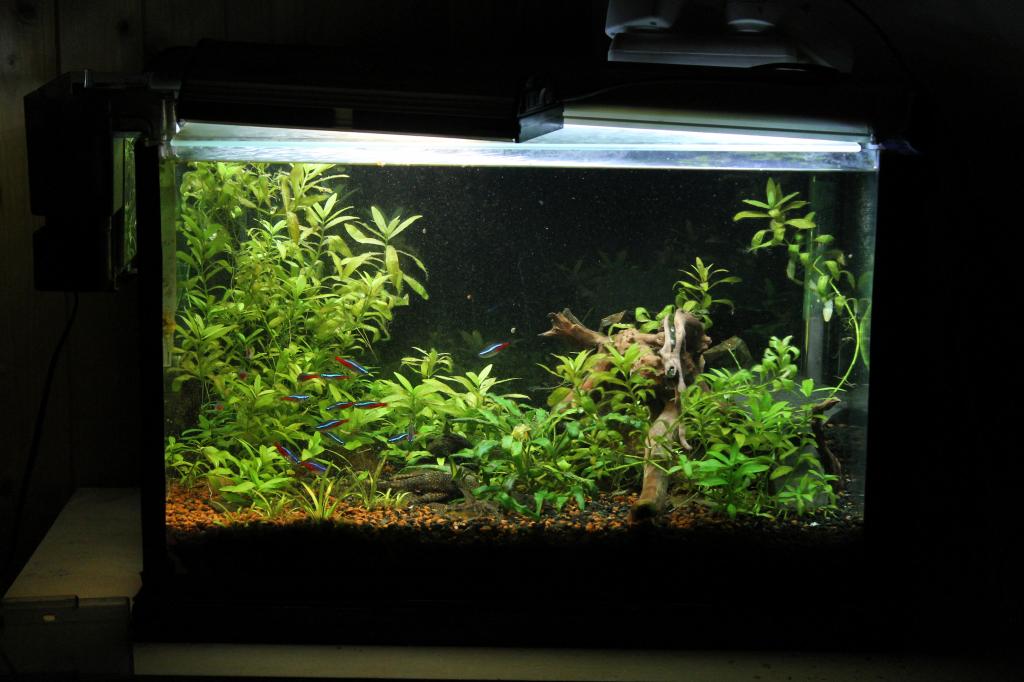
Building a tank is a rush. There is something incredibly satisfying virtually seeing your fish swim in a bin you built. But the physics of water are unforgiving. Use a calculator that prioritizes safety margins over cost-saving. look for tools that permit for custom aquarium builds later than amendable glass types. And for heavens sake, don't trust a 20-year-old forum post.
In the end, the safest calculator is the one that makes you purchase thicker glass than you think you need. My evaluation is simple: use the most conservative tool you can find, accumulate a "life-adjustment" margin, and always, always use high-quality structural silicone. Your fish, your floors, and your sanity will thank you. Now, go acquire that glass orderedjust create clear its the right thickness!