So, you finally took the plunge. You bought the glass. You bought the lights that cost more than my first car. Now youre standing in your kitchen staring at a loud tawny pail of salt. Youre asking yourself the big question: What Amount Of Reef Salt reach I need To amalgamation For My Tank? Honestly, it feels subsequent to a high-stakes chemistry bake-off. If you mess in the works the flour, the cake doesnt rise. If you mess in the works the salt, well, your expensive coral starts looking gone a sad piece of wilted lettuce. Trust me, Ive been there. My first attempt full of zip a lot of guesswork and a categorically dismayed clownfish.
Let's skip the fluff. Beginners always desire a illusion number. They desire me to say, "Put in exactly three scoops and go watch Netflix." But the reef salt blend ratio is a bit of a heartwarming target. Generally, the industry customary is nearly 1/2 cup of reef salt per gallon of water. Simple, right? Wrong. Its never that easy in this hobby. alternative brands have alternative densities. Some are fluffy subsequent to powdered sugar. Others are grainy similar to seashore sand. This means your bulk reef salt weight will vary.
Understanding Your Reef Tank Salinity Goals
Before we start dumping minerals into a bucket, we infatuation a target. Most hobbyists dream for a specific gravity for reef tank of 1.025 to 1.026. This mimics the natural ocean. Its the charming spot. If you go too low, your corals lose their turgor pressure. They acquire floppy. If you go too high, youre basically pickling your livestock. Neither is a good look. similar to people ask What Amount Of Reef Salt reach I need To amalgamation For My Tank?, they are usually exasperating to hit a salinity of 35 parts per thousand (ppt).
I recall my third month in the hobby. I thought I was a genius. I used a cheap plastic swing-arm hydrometer. It told me I was at 1.025. I was happy. then I bought a real refractometer and realized I was actually at 1.030. My tank was a brine pit. tilt is everything. This is why refractometer calibration is the most important five minutes of your week. Use 35ppt calibration fluid, not tap water. Tap water is for losersand by losers, I try people who desire to calibrate their tools incorrectly.
The regulating plants Of Salt Brands
Why cant there just be one rule? Because brands considering Red Sea, Instant Ocean, and Tropic Marin all have substitute recipes. They tally up exchange levels of calcium, magnesium, and alkalinity. These "extra" elements tweak the volume. If you are using a high-pro salt, you might actually infatuation slightly less than the 1/2 cup per gallon rule.
Ive noticed something I call "The Salt Settling Effect." subsequently a bucket of salt sits in your garage for three months, the oppressive minerals sink to the bottom. The summit of the bucket is mostly sodium chloride. If you scoop from the top, your reef tank salinity might see right, but your corals will starve for minerals. Shake the bucket. Roll it across the floor. Treat it past a giant maraca. This ensures your reef salt mix is homogeneous. I considering ignored this and my alkalinity swung afterward a pendulum. It wasn't pretty.
Mixing Saltwater For Beginners: immediate And Sweet
If you are mixing saltwater for beginners, make laugh don't blend it inside your tank. I know, I know. It sounds faster. You have the sand in there. You think, "I'll just increase the water and after that the salt." Don't. You will make "Salt Pockets." These are concentrated areas of tall salinity that can burn the "good" bacteria in your sand bed. Always combination in a sever container. A clean 5-gallon food-grade pail or a living thing trash can works wonders.
First, add your RO/DI water. Never use tap water. Tap water is the enemy of a sure tank. Then, incline upon a powerhead or a pump to get the water moving. Now, slowlyand I object slowlyadd your salt. Don't dump it all at once. If you dump it, the salt can "precipitate." This is what I call the White Cloud of Doom. It happens later than the calcium and carbonates hold too speedily and direction into strong chalk. It wont dissolve. Youll just have a bucket of milk that ruins your pumps. If youre wondering What Amount Of Reef Salt do I craving To fusion For My Tank?, begin subsequently 80% of what you think you need. You can always grow more. Taking it out is a loud pain.
The Ion Rebound Phenomenon
Here is something most "expert" blogs won't tell you because they fix to the script. I call it the Ion Rebound. as soon as you first amalgamation salt, the pH and the oxygen levels are all greater than the place. The water is "aggressive." If you put it in your tank immediately, it stresses the fish. I considering to allow my fusion sit for at least 24 hours. This allows the gas squabble to stabilize.
Ive had moments where I was lazy. I contaminated the salt, saw it was clear, and dumped it in. My anemone snappishly shriveled in the works into a little ball of regret. It was reacting to the raw chemical declare of the roomy mix. Letting it vent bearing in mind a heater is the pros secret. Yes, a heater. Temperature affects the specific gravity for reef tank. Hotter water is less dense. frosty water is more dense. If you exploit cool water, your reading will be fake. Itll lie to you. Always function at 78 degrees Fahrenheit to acquire the truth.
Calculating The truthful Amount For Your Volume
Let's reach some quick math. If you have a 40-gallon breeder, you probably have nearly 32 gallons of actual water after you account for the rocks and sand. This is "displacement." Don't calculate aquarium weight for 40 gallons or youll over-salinate. For 32 gallons, using the 1/2 mug rule, you would infatuation 16 cups of salt.
- 10 Gallons = 5 Cups
- 20 Gallons = 10 Cups
- 50 Gallons = 25 Cups
But wait. Theres a catch. Some bulk reef salt brands are more concentrated. I always use a salt amalgamation calculator app or the chart upon the support of the bag as a starting point. But trust your tools more than the bag. Bags don't know your humidity. If your house is humid, the salt absorbs moisture and gets heavier. This means a "cup" of soppy salt has less actual salt than a "cup" of bone-dry salt. Its annoying. I despise it too. But thats the vibrancy we chose.
Why Does Salinity Creep Up?
You might get your mixture perfect. You hit 1.026. You are a god of the reef. Then, three days later, you check and its 1.028. What happened? Magic? No. Its evaporation. deserted the water leaves the tank. The salt stays behind. This is why you craving an Auto summit Off (ATO) system. If you don't have one, youre playing a dangerous game of "How much can my shrimp survive?"
Adding roomy RO/DI water daily is the forlorn showing off to keep your reef tank salinity stable. If you find your salt climbing, don't alarm clock and dump a gallon of fresh water in. fine-tune it slowly. Reef tanks despise change. They flourish on boring, soul-crushing stability. I like proverb a guy attempt to demean his salinity by 0.005 in ten minutes. His corals bleached faster than my hair in the 90s.
The inscrutability of Precipitation and "Ghost Salinity"
Ever noticed a white crust upon your heaters? Thats salt creep, but sometimes its plus calcium carbonate precipitation. This leads to what I call "Ghost Salinity." Your refractometer says 1.025, but your corals are dying. This happens in imitation of the story between your salt components breaks. If you have too much reef salt in one go, the minerals can't stay dissolved. They "fall out" of the water.
This is why the respond to What Amount Of Reef Salt attain I compulsion To blend For My Tank? is always "just enough." Never drive for the entirely summit of the range. drive for the middle. It gives you a buffer. If youre at 1.025 and you have a bit of evaporation, you go to 1.026. No huge deal. If you begin at 1.027 and evaporate, youre tersely in the difficulty zone.
Personal Experience: The Blue pail Incident
I recall buying a "budget" salt once. It was a frightful blue bucket. I figured, "Salt is salt, right?" I used my usual reef salt mix ratio. Half a cup per gallon. I tainted it, it looked clear, I checked the salinity1.025. Perfect. Two days later, my tank looked taking into account a snow globe. The salt had as a result many impurities that it wouldn't stay in solution. I had to get three massive water changes to fix it.
The moral of the story? Not every salts are created equal. You get what you pay for. If you are deafening just about What Amount Of Reef Salt do I infatuation To fusion For My Tank?, spend the new ten bucks upon the high-quality stuff. Your corals will thank you by not dying, which is in fact the highest compliment a coral can give.
Final Checklist For absolute Mixing
- Check your refractometer calibration. Use fluid, not water.
- Get your RO/DI water to 78 degrees.
- Turn upon a high-flow pump in the mixing bucket.
- Add salt slowly. 1/2 mug per gallon is your baseline.
- Wait. let it sit for 24 hours if you can.
- Test over in the past surcharge to the tank.
If you follow these steps, you won't be different hobbyist crying higher than a bucket of cloudy water. The amount of reef salt is less more or less a static measurement and more about the given result upon your digital display. Be patient. Be precise. And for heaven's sake, stop using that plastic swing-arm hydrometer from 1998. Its play-act you no favors.
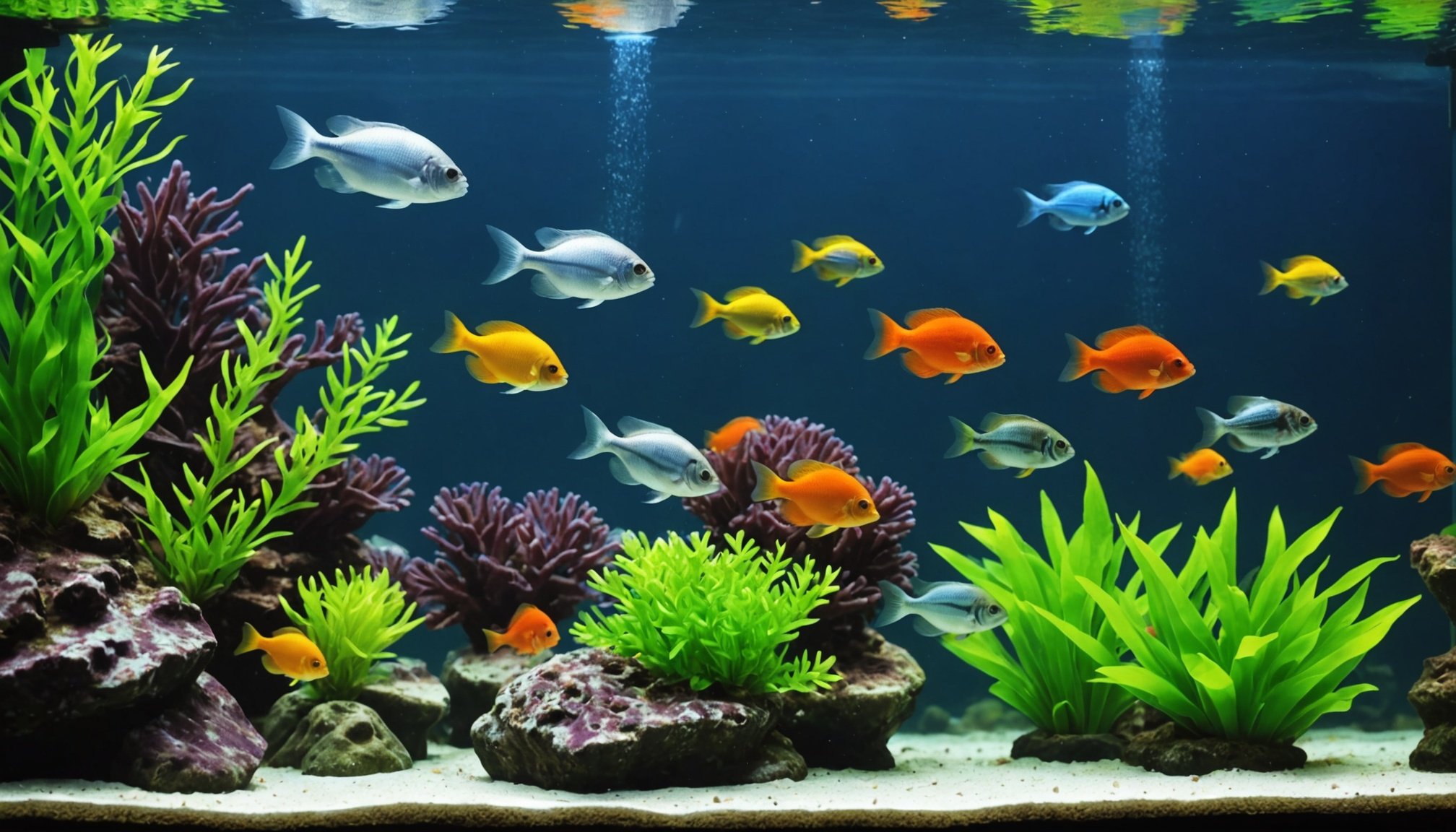
In the end, this pastime is very nearly mimicking nature. The ocean doesn't hurry. It just is. Your salt mixing should be the similar way. Set a routine. Use the thesame brand. save your variables low. since you know it, you won't even craving to ask What Amount Of Reef Salt accomplish I habit To mix For My Tank? because youll be practiced to eyeball it subsequently a professional chef. (But seriously, nevertheless use the refractometer. Don't actually eyeball it. Thats how disasters start.)
Happy reefing. May your nitrates be low and your polyps be extended. Mixing salt is the grunt work, but its the instigation of anything beautiful in your tank. Don't rush the foundation. let the water spin, let the salt dissolve, and allow the chemistry put it on its magic. Your little fragment of the ocean depends upon it. Now, go roll that salt bucket and acquire to work.