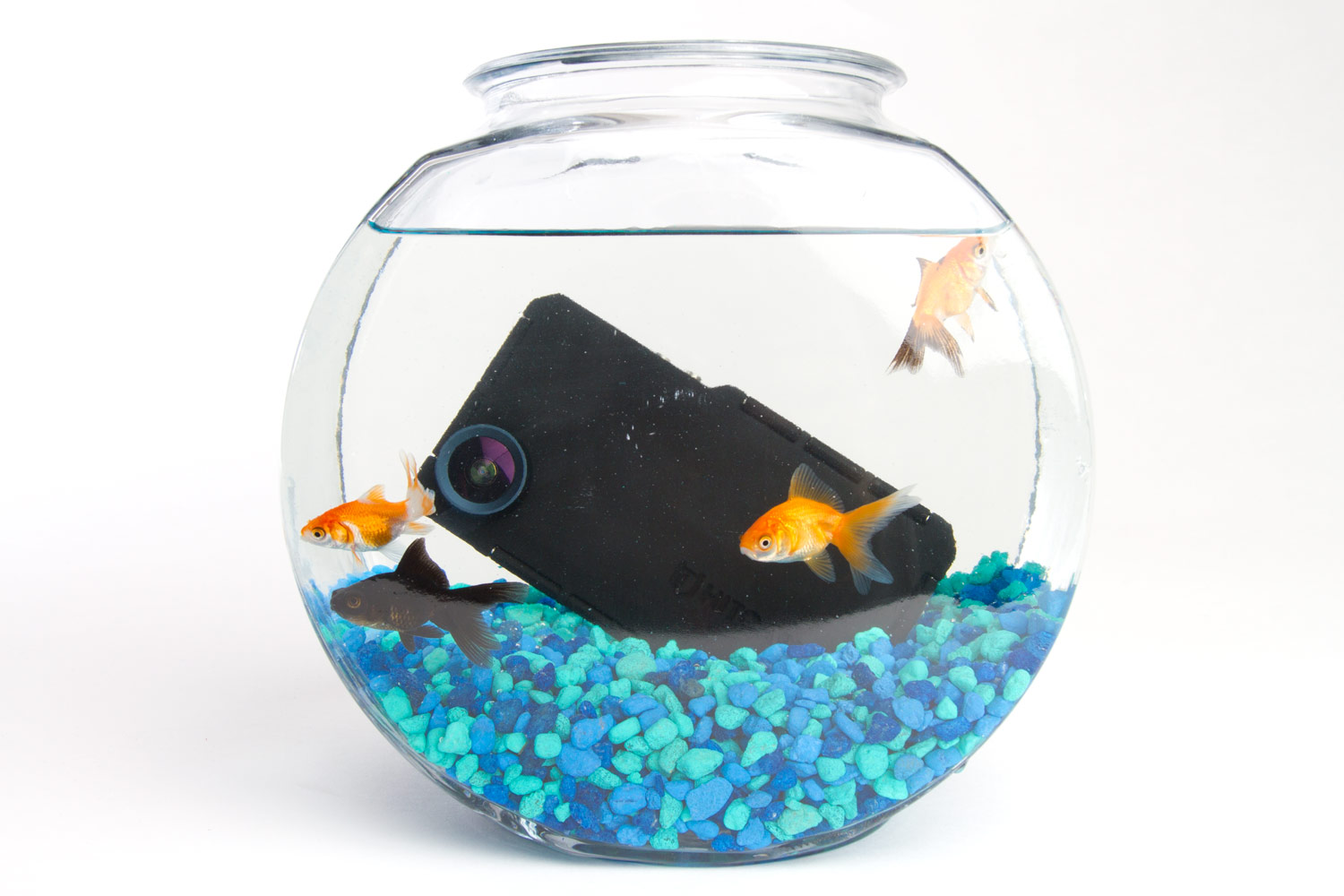
If you question ten interchange fish keepers what is best gravel height for beneficial bacteria, you are probably going to acquire twelve alternative answers and maybe a enraged debate over a bag of fluorite. Trust me. I have been there. I remember setting going on my first 29-gallon tank support in the day. I dumped a omnipresent five-inch accumulation of neon blue gravel at the bottom. I thought I was instinctive a genius. I thought I was building a skyscraper for my nitrifying bacteria. It turns out, I was just creating a ticking grow old bomb of trapped fish waste and heartache.
Finding the perfect aquarium substrate depth is not just nearly aesthetics. It is more or less the invisible engine running your tank. People obsess exceeding filters. They spend hundreds upon canisters. But the real proceed happens underneath your fishs fins. Your gravel is a living, thriving organismsort of. So, lets get into the fundamentals of substrate thickness for aquarium health and why most people actually acquire it wrong.
Why Substrate intensity Actually Matters for Your Nitrogen Cycle
Most beginners think gravel is just there to see pretty or preserve all along plastic plants. Wrong. Your gravel is the primary housing for beneficial bacteria colonies. These tiny guys are the ones turning toxic ammonia into nitrites, and then into less-harmful nitrates. This is the nitrogen cycle in action. Without satisfactory surface area, your fish are basically swimming in their own toilet.
But here is where it gets weird. People think "more gravel equals more bacteria." If unaided cartoon were that simple. If you go too deep, you stop getting oxygen to the bottom layers. If you go too shallow, you don't have satisfactory room for the colony to grow. The best gravel extremity for beneficial bacteria usually hovers amid 2 to 3 inches for a satisfactory setup. This is the "Sweet Spot" that allows for both surface area and water flow.
I afterward tried a "Micro-Oxygen Pocket" theorysomething a guy at a local fish amassing told me. He claimed that if you use exactly 2.75 inches of gravel, the pressure of the water creates a specific biological filtration resonance. Is that scientifically proven? Probably not. But in my experience, that approaching three-inch mark is where the ammonia levels stayed most stable.
The ambiguity of the Two-Inch lovable Spot
So, why two inches? Imagine your gravel as a giant apartment complex. The nitrifying bacteria are the tenants. They need food (ammonia) and they habit oxygen. If your gravel is too thinlets say less than an inchyou just don't have ample apartments. You might locate your aquarium water parameters fluctuating all period you go to a extra fish.
However, if you go once three or four inches, the humiliate levels of the gravel begin to lose oxygen. This is where things acquire spooky. behind oxygen drops, you get anaerobic bacteria. Some people want this. They say it helps once nitrate removal. But for most of us, it just leads to pockets of hydrogen sulfide gas. Have you ever poked your gravel and seen a huge bubble rise taking place that smells when rotten eggs? Yeah. That is the odor of failure.
To keep your beneficial bacteria thriving, you need a sharpness that allows water to percolate through. I call this the "Atmospheric Siphon Effect." In a two-inch bed, the natural leisure interest of the fish and the pressure from the filter output keeps acceptable oxygen upsetting through the summit layers. This ensures your bio-load management stays upon track.
Does Gravel Size regulate the Ideal Depth?
Not all gravel is created equal. You have pea gravel, sandy sub-strata, and that chunky epoxy-coated stuff. If you are using large, chunky gravel, you can afford to go a bit deepermaybe going on to 3.5 inches. Why? Because the gaps amongst the stones are bigger. More water can flow through. More oxygen can accomplish the bottom.
But if you are using fine gravel or sand, you dependence to go shallower. Sand packs down. It is dense. If you put four inches of sand in your tank, the bottom three inches will become a biological dead zone within weeks. For fine substrates, the optimal depth for bacterial growth is closer to 1 or 1.5 inches.
Ive made the mistake of mixing textures too. I afterward put a growth of good sand greater than muggy gravel. I thought it looked "natural." It was a disaster. The sand filled the gaps in the gravel in the same way as cement. My aquarium cycle crashed because the bacteria were in fact suffocated. It took me months of water changes to fix that mess. Avoid the "Cement Effect" at every costs.
Micro-Oxygen Pockets and the produce an effect of Surface Area
Lets chat very nearly something I call the "Interstitial Microbial Highway." This is basically the atmosphere amid the pieces of gravel. taking into account people ask how deep should aquarium gravel be, they are essentially asking not quite surface area. every single fragment of gravel is covered in a microscopic film of bacteria.
The best gravel intensity for beneficial bacteria is the depth that maximizes this surface area without biting off the let breathe supply. In a typical 40-gallon breeder, 2 inches of gravel provides tolerable surface place to equal the size of a small parking lot. Think approximately that. You have a combine parking lot of workers cleaning your water.
One situation people forget is gravel vacuuming. If your gravel is too deep, you cant clean it properly. If you dont tidy it, "mulm" (thats the fancy word for fish poop and relic food) builds up. This mulm clogs the highways. It smothers your bacteria. So, even if four inches of gravel could retain more bacteria, the practical veracity of keep makes two inches the winner.
The Planted Tank Paradox
Now, if you have live plants, whatever changes. Does the best gravel extremity for beneficial bacteria stay the similar if you have roots everywhere? Usually, you compulsion a bit more depthmaybe 3 inchesto have the funds for the roots a place to anchor.
Plants and bacteria have a "you graze my back, Ill cut yours" relationship. The roots actually pump oxygen next to into the substrate. This prevents those nasty anaerobic pockets I mentioned earlier. So, if you have a heavily planted tank, you can go deeper. The flora and fauna warfare afterward tiny biological snorkels for the bacteria.
Ive experimented in the same way as a "Substrate Stratification Index" in my planted tanks. I put an inch of nutrient-rich soil upon the bottom and two inches of gravel upon top. The beneficial bacteria moved in with they were at a buffet. The flora and fauna thrived, and my nitrates were more or less zero. But again, this solitary works because the nature were do its stuff the heavy lifting of oxygenation. In a plastic-plant tank? fix to the shallow side.
Common Myths approximately Substrate Depth
There is a lot of garbage advice out there. Ive heard people tell that you lonesome dependence a thin dusting of gravel to save a tank healthy. That is nonsense. Unless you have a high-end canister filter past massive amounts of ceramic rings, your gravel is law at least 40% of the biological work. A "dusting" is just an aesthetic unusual that leaves your nitrogen cycle vulnerable.
Another myth: "Never have an effect on the gravel because you'll execute the bacteria." Look, the bacteria are sticky. They aren't going to just wash away because you vacuumed the floor. In fact, if you don't change the gravel, the bacterial colony density will actually fall because they get buried under waste. A healthy trouble during your weekly water alter keeps things fresh.
I tend to acquire a bit sarcastic as soon as I look "miracle" substrate additives. They accord to instantly seed your gravel taking into consideration billions of bacteria. even if some of these products measure to kickstart a tank, they won't put up to if your gravel bed depth is wrong. You can't force a colony to alive in a home thats either too little or has no air.
How to put-on Your Gravel severity Properly
It sounds simple, right? Just glue a ruler in there. But remember, gravel shifts. It piles happening in the corners. Fish when cichlids adore to bill "interior designer" and have an effect on your gravel into giant mounds.
When determining the best gravel intensity for beneficial bacteria, achievement at the middle of the tank. This is where water flow is often most consistent. If you have "hills" and "valleys," try to average it out. I personally once the "Slant Method." I have virtually 1.5 inches at the front of the tank and 3 inches at the back. This gives me a kind visual severity and provides a deep zone for nitrifying microbes though keeping the belly simple to clean.
The relationship with Temperature and Bacteria Depth
Here is a unique incline you won't find in most manuals: temperature gradients in the substrate. Hotter water holds less oxygen. If you keep a tropical tank at 82 degrees, your beneficial bacteria are going to be more active, but theyll also be more oxygen-starved.
In warmer tanks, you should actually go slightly shallower subsequently your gravel. If the water is warm, you desire to make clear that oxygen can attain the bacteria as quickly as possible. In a "cool water" tank, subsequent to for fancy goldfish, you can acquire away taking into consideration a slightly deeper bed because the water holds more dissolved oxygen. Its a delicate report that most keepers totally ignore.
Signs Your Gravel depth Is Causing Problems
How reach you know if you messed up? If your ammonia levels are every time spiking despite having a fine filter, your substrate might be too shallow. You handily don't have acceptable "biological genuine estate."
On the flip side, if your aquarium soil calculator has a weird, swampy odor or if your fish are staying close the surface gasping, your gravel might be too deep and full of decaying matter. I when had a tank where the gravel was therefore deep and filthy that it actually started to demean the pH of the water. The decaying organic business was turning the amassed tank acidic. It was a nightmare to stabilize.
Final Thoughts on the Best Substrate for Your Finny Friends
So, what is the unqualified verdict? For the average hobbyist, the best gravel severity for beneficial bacteria is 2 to 2.5 inches. It is deep passable to be a powerful bio-filter but shallow passable to remain aerobic and easy to clean.
Don't overthink it, but don't ignore it either. Your gravel is a city. It needs a fine foundation, acceptable room for everyone to live, and a constant supply of blithe air. If you have the funds for that, your aquarium ecosystem will admit care of itself.
Just remember: keep it clean, save it oxygenated, and for the love of all that is holy, don't use neon blue gravel unless you really, in reality desire to. fix later natural tones; your bacteriaand your eyeswill thank you. Your water quality is the heartbeat of your hobby. Treat your substrate subsequent to the vital organ it is.
Whether you are a benefit or a total newbie, conformity the optimal gravel depth is your first step to a tank that doesnt just survive, but thrives. Now go grab a ruler and see how your tank measures up. You might be surprised at whats actually stirring all along there in the dark.