Weve every been there, standing in the aisle of a local fish store, mesmerized by the hypnotic shimmer of a hundred neon tetras. You see at your tank at home. later you look at the fish. You think, "Surely, one more wouldn't hurt, right?" But later that nagging voice in the support of your head starts whispering: Is the aquarium stocking level secure for my tank? Its a question that haunts every hobbyist from the excited beginner to the seasoned benefit afterward multipart "tank rooms" they conceal from their spouse.
Lets be honest. The old-school guidelines are nice of garbage. We were every told the "one inch of fish per gallon" rule next we started. It sounds simple. It sounds logical. Its afterward agreed incorrect usually. If you put a ten-inch Oscar in a ten-gallon tank, youve got a recipe for a biological smash and a utterly dismal fish. Stocking a tank is less virtually easy math and more roughly managing a delicate, invisible ecosystem. Its virtually balance, bio-load, and honestly, a tiny bit of luck.
The Myth of the One-Inch rule and Evaluating Bio-Load
The first matter you habit to do is that not all inches are created equal. A one-inch fat-bodied goldfish produces exaggeration more waste than a one-inch thin tetra. This is where bio-load management becomes the real hero of the story. Your aquarium stocking level is actually a work of how much waste your beneficial bacteria can process before the water turns toxic. I recall my first 20-gallon setup. I thought I was a genius. I had three fancy goldfish. They were little then. fast concentrate on two months, and my aquarium water exam kit looked subsequently a chemistry project bearing in mind wrong. The ammonia was through the roof.
Why did this happen? Because I ignored the stocking density not in favor of the filtration system capacity. Goldfish are basically little poop machines. Their bio-load is massive. similar to you ask yourself if your aquarium stocking level is safe, you infatuation to look at the buildup of the fish, not just the length. Think of your tank subsequent to a small studio apartment. You can fit ten people in there for a party, but if they all regard as being to conscious there permanently, the plumbing is going to fail. In your tank, the "plumbing" is your biological filtration.
If your nitrate levels are continually spiking above 40ppm within a few days of a water change, your tank is likely overstocked. Or, perhaps your filter just isn't taking place to the task. You have to adjudicate the nitrogen cycle as a living, blooming entity. Its the highway your tank travels on. If theres too much traffictoo many fishthe highway crashes. You acquire ammonia spikes. You get nitrite toxicity. You acquire dead fish. And nobody wants that.
Decoding the Signs: Is Your Tank a Ticking become old Bomb?
How complete you actually know if youve crossed the line? Sometimes the fish will tell you past the exam kit does. Watch for aggressive fish behavior. In an overstocked aquarium, even peaceful species can get cranky. Theres a definite "psychological space" fish need. If a dwarf cichlid cant find a corner to call his own, hes going to start nipping fins. This isn't just approximately water quality; its practically territorial aggression. I bearing in mind tried to keep too many male guppies in a nano tank. It was total chaos. They weren't just swimming; they were sparring.
Another hidden hard times is oxygen saturation. Fish breathe. Obviously. But in a crowded tank, the demand for oxygen is sky-high. If you see your fish gasping at the surface, especially in the morning, your aquarium stocking level might be dangerously high. Or, your surface panic is trash. But usually, its a combo. forward-looking temperatures afterward withhold less oxygen. So, if youre direction a tropical fish care routine taking into consideration the heater cranked to 82 degrees, your margin for mistake shrinks.
Lets chat practically something I call "The Bubbling Effect"a little concept Ive noticed beyond the years. If you have an freshen stone, watch the bubbles. In a clean, well-balanced tank, the bubbles pop instantly at the surface. In a tank that is heavily overstocked and loaded in the same way as organic proteins, the bubbles linger for a split second, creating a thin film of foam. Its a subtle sign that your water parameters are starting to slide toward the dark side. Its not scientific, maybe, but its a "gut feeling" involve that has saved my fish more than once.
Maximizing Safety in a Heavily Stocked Community Tank
Maybe youre past me and you enjoy a "busy" tank. You want that lush, community tank balance where everywhere you look, something is moving. Its doable to keep a cutting edge aquarium stocking level safely, but you have to be a child support ninja. You cant be lazy. If youre pushing the limits, you need a canister filter that is rated for a tank twice your size. You need to be religious roughly substrate cleaning using a gravel vacuum.
A lot of people think they can just go to more fish if they mount up more plants. And even though live aquarium plants are incredible for soaking in the works nitrates, they aren't illusion wands. They help, sure. They allow a "Bio-Load Buffer." But if the capacity goes out and your filter stops, a heavily stocked tank will crash much faster than a sparsely populated one. The "buffer" disappears. This is where oxygen exchange becomes critical. I always suggest having a battery-powered freshen pump on standby if youre flirting with the limits of aquarium capacity.
Lets acquire genuine just about high-quality fish food. What goes in must come out. If youre feeding cheap, filler-heavy flakes, your fish are producing more waste per bite. Switching to high-quality pellets can actually belittle the strain upon your filtration system. It sounds crazy, but greater than before food equals a safer aquarium stocking level. Its every connected. every pinch of food is a modifiable in the equation of "Is my fish tank going to explode today?"
Surface area touching Water Volume: The Hidden Physics
The concern of your tank matters more than the gallons. This is a hill I will die on. A 20-gallon "long" tank is infinitely bigger for stocking than a 20-gallon "high" or a hex tank. Why? Surface area. The interface where ventilate meets water volume calculator fish tank is where the magic happens. Its where CO2 leaves and oxygen enters. An overstocked aquarium in a tall, narrow tank is a upset waiting to happen because the oxygen saturation cant save taking place later than the request at the bottom.
Think about the "swimming lanes." Most fish don't utilize the entire vertical column. They stick to the top, middle, or bottom. If you gathering ten bottom-dwellers in a narrow tank, its crowded, even if the top half is empty. To keep a secure aquarium stocking level, you habit to improvement your fish across the zones. Pair some Corydoras for the bottom in the manner of some Harlequin Rasboras for the center and maybe a Honey Gourami for the top. This reduces territorial aggression and makes the fish tank capacity environment much larger than it actually is.
Personal experience time: I considering had a pretty 30-gallon column tank. I put instructor after learned of Cardinal Tetras in there. upon paper, the "gallons" were enough. In reality, they were every huddling in the center 5 inches of the tank, frantic to the max. I moved them to a 20-longfewer gallons, mind youand they thrived. The stocking density felt demean because they had more horizontal room to run. Physics doesn't care more or less the labels on the glass.
Modern Tech and Monitoring Your Aquariums Health
We living in the future, guys. You don't have to guess anymore. more than the customary aquarium water exam kit, there are sensors now that monitor your pH and ammonia in real-time. If youre asking "Is the aquarium stocking level secure for my tank?" and youre unwilling to reach a weekly water test, youre playing a risky game. Consistency is the read out of the game.
Ive found that the "Bio-Rhythm Technique" works best for me. This is just a fancy habit of motto I watch how my tank reacts to a missed water change. If I skip one week and the fish look sluggish, I know my aquarium stocking level is at its perfect limit. If everything looks fine, I have a little perky room. Its just about knowing the "personality" of your water. all tank is different. Your tap water chemistry, your substitute of aquarium substrate, and even the local temperature every appear in a role in how many fish you can safely keep.
And don't forget not quite aquarium grant tips following cleaning your filter media in de-chlorinated water. If you slay your beneficial bacteria by rinsing the sponge in tap water, your aquarium stocking levelno thing how lowbecomes unsafe instantly. The safety of your tank is a moving target. It changes as your fish grow. That charming tiny baby Oscar isn't going to stay two inches forever. You have to plan for the "future bio-load," not just what you look today.
Final Thoughts on Maintaining a Healthy Stocking Level
So, is your tank safe? If youre seeing booming colors, supple (but not frantic) swimming, and your nitrate levels stay below control, youre probably show okay. But don't acquire cocky. The pastime is full of stories more or less "The great Crash" where all looked fine until it didn't. Overstocking is a temptation we all face. Its difficult to say no to a pretty supplementary specimen. But the authentic mark of a good fishkeeper isn't how many fish they can cram into a box; it's how healthy and long-lived those fish actually are.
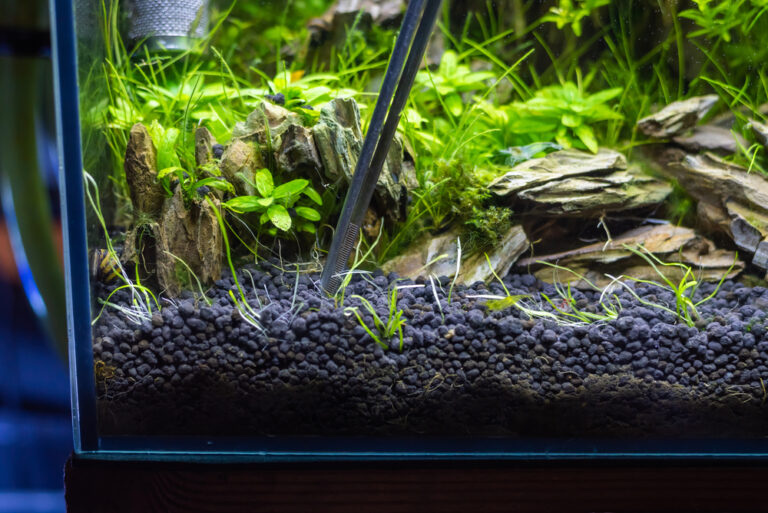
Safe aquarium stocking level paperwork requires a mixture of science, observation, and self-restraint. Use your aquarium water exam kit often. Invest in the best filtration system you can afford. And for heaven's sake, end using the one-inch regard as being as your unaided guide. It's a lie. A in accord lie, but a lie nonetheless. Your fish deserve a home, not just a holding cell. save the water clean, save the oxygen flowing, and always depart a little additional room for error. Because in this hobby, things go wrong. And behind they do, that further five gallons of "unused" manner might just be the issue that saves your entire stock from disaster.
Stay observant, save learning, and maybe, just maybe, put that last sack of fish back up upon the shelf if you're already feeling the squeeze. Your fish will thank youif they could talk. Which they can't. appropriately you just have to see at their fins and wish for the best. good luck, and may your ammonia always be zero.